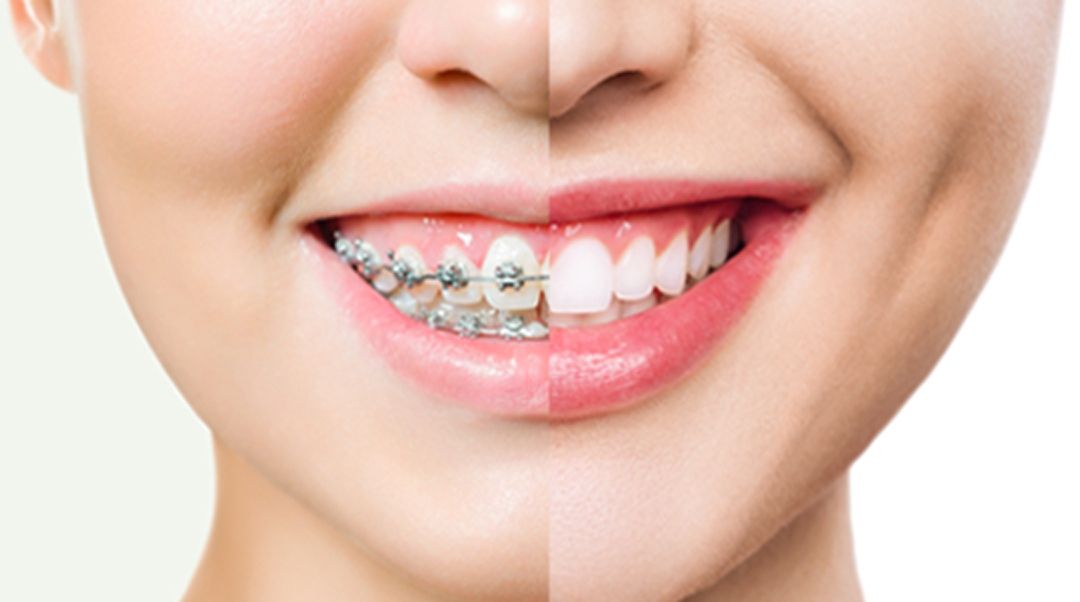
Braces vs. Aligners
Introduction:
Orthodontic treatments have become increasingly crucial in enhancing dental aesthetics and overall oral health. This blog aims to explore the evolving landscape of orthodontic solutions, delving into traditional braces and the emergence of clear aligners, providing insights into their mechanisms, benefits, and differences.
Understanding Braces
Traditional braces are the most common type of orthodontic appliance used to straighten teeth and correct bite problems. They consist of several components that work together to gradually move teeth into their desired positions.
Components and Structure:
- Brackets: These are small, flat pieces of metal or ceramic that are bonded to the front surface of each tooth
- Wires: A thin, flexible metal wire runs through slots in the brackets, connecting them all together.
- Bands: In some cases, additional bands may be used to anchor the braces to the back teeth.
- Ligatures: Small elastics or metal clips hold the wire in place within the brackets.
Treatment Process and Duration:
- Consultation and Diagnosis: An orthodontist will examine your teeth and jaw to determine if braces are right for you. They will also develop a treatment plan, which will include the estimated duration of treatment.
- Orthodontist consultation
- Bonding the Brackets: The brackets are bonded to the teeth using a special dental adhesive.
- Adjustments: The orthodontist will adjust the wires periodically to apply gentle pressure to the teeth, slowly moving them into their desired positions.
- Retention: After the teeth have been straightened, a retainer will be worn to keep them in place.
Treatment duration can vary depending on the severity of the malocclusion, but typically takes 12-24 months.
Pros and Cons of Braces:
Pros:
- Effective at correcting a wide range of dental problems
- Long-lasting results
- Relatively affordable compared to other orthodontic options
- Wide variety of types and styles available, including clear ceramic braces and lingual braces (worn on the back of the teeth)
Cons:
- Can be uncomfortable and cause some pain, especially during adjustments
- Can be difficult to keep clean, increasing the risk of cavities
- Can affect speech and eating habits
- May be noticeable, especially with traditional metal braces
Overall, braces are a safe and effective way to straighten teeth and improve your oral health. If you are considering orthodontic treatment, be sure to consult with an orthodontist to discuss your options and determine if braces are right for you.
Here are some additional things to keep in mind about braces:
- Braces require good oral hygiene. Be sure to brush and floss your teeth regularly to avoid cavities.
- There are several different types of braces available, so be sure to talk to your orthodontist about the best option for you.
- The cost of braces can vary depending on the type of braces you choose and the length of your treatment.
The Emergence of Clear Aligners
Traditional braces have long been the go-to solution for straightening teeth, but in recent years, a new contender has emerged: clear aligners. These virtually invisible trays have taken the orthodontic world by storm, offering a discreet and comfortable alternative to metal brackets and wires.
What Are Clear Aligners?
Clear aligners are a series of thin, custom-made plastic trays that fit snugly over your teeth. Each tray is slightly different than the last, applying gentle pressure to gradually move your teeth into their desired positions.
Clear aligners on teeth
How They Work:
- Consultation and 3D Scan: An orthodontist will create a digital 3D scan of your teeth to develop a personalized treatment plan.
- Creating the Aligners: The scan is used to manufacture a series of custom-made aligner trays.
- Wearing the Aligners: Each aligner tray is worn for 20-22 hours per day for about two weeks before switching to the next one in the series.
- Regular Checkups: You’ll visit your orthodontist periodically throughout treatment to monitor progress and make any necessary adjustments.
Different Types Available:
Several brands and types of clear aligners are available, each with its own unique features and benefits. Some popular options include:
- Invisalign: The original and most well-known brand, Invisalign offers a large network of certified orthodontists and a proven track record of success.
- Spark Aligners: A more affordable option, Spark Aligners use smart tracking technology to monitor progress and ensure optimal results.
- SmileDirectClub: A direct-to-consumer option, SmileDirectClub offers at-home treatment kits without the need for regular orthodontist visits.
Advantages of Clear Aligners:
Clear aligners offer several advantages over traditional braces, including:
Aesthetics and Discretion: Virtually invisible, clear aligners are much less noticeable than metal braces, making them a popular choice for adults and teens who are self-conscious about their smile.
Comfort and Convenience: Clear aligners are smooth and comfortable to wear, with no metal brackets or wires to irritate your gums or cheeks. They are also removable, allowing you to eat and drink normally and brush and floss your teeth easily.
Oral Hygiene Maintenance: Unlike braces, which can trap food and bacteria, clear aligners allow for easy brushing and flossing, reducing the risk of cavities and gum disease.
Additional Advantages:
- Shorter treatment times in some cases compared to braces
- Reduced need for adjustments
- Potential for less discomfort and pain
- Can treat a wide range of malocclusions
Advantages of Clear Aligners:
Aesthetics and Discretion:
Highlighting the aesthetic appeal of clear aligners due to their discreet, nearly invisible nature compared to traditional braces.
Comfort and Convenience:
Emphasizing the comfort and convenience aspect of clear aligners, particularly their removable nature for ease during eating and oral hygiene practices.
Oral Hygiene Maintenance:
Detailing the simplified oral hygiene routine facilitated by clear aligners, underscoring their ease of maintenance compared to braces.
Feel free to expand each section further by incorporating specific details, examples, or statistics to enrich the content!
Effectiveness Comparison: Braces vs. Clear Aligners
Both braces and clear aligners are effective tools for achieving a straighter, healthier smile, but they differ in their strengths and limitations. Deciding which option is right for you depends on the complexity of your orthodontic needs, your lifestyle preferences, and your pain tolerance.
Effectiveness of Braces:
- Addressing Complex Orthodontic Issues: Braces excel at tackling severe malocclusions like overcrowding, spacing, rotations, and jaw problems. Their fixed nature provides precise control over tooth movement, making them ideal for complex cases.
- Fixed vs. Removable: The fixed nature of braces ensures consistent pressure application, potentially leading to faster treatment times compared to removable aligners that might be worn inconsistently.
- Addressing Various Dental Concerns: Braces can address a wider range of dental concerns than aligners, including bite correction, jaw repositioning, and impacted teeth.
Effectiveness of Clear Aligners:
- Assessing Treatment Success Rates: Studies show similar success rates for both braces and aligners in mild to moderate malocclusion cases. Aligners often shine in simpler cases like minor crowding or spacing adjustments.
- Pain and Discomfort:
- Braces: Discomfort and soreness are common with braces, especially during adjustments. Managing pain involves using wax to prevent irritation, taking pain medication, and practicing good oral hygiene.
- Clear Aligners: While generally considered more comfortable than braces, aligners can cause initial discomfort as teeth adjust to each new tray. Using chewable tablets or soft foods during the initial days can help.
- Lifestyle Implications:
- Braces: They may require dietary restrictions, speech adjustments, and more cautiousness during contact sports or activities. Proper cleaning and flossing techniques are crucial to maintain good oral hygiene.
- Clear Aligners: They offer greater flexibility and convenience. You can remove them for meals and social events, facilitating easier cleaning and minimizing dietary restrictions. However, consistent wear is crucial for treatment success.
In conclusion:
- Braces: Ideal for complex cases, precise control, and broader range of treatable concerns. Can require more lifestyle adjustments and involve some discomfort.
- Clear Aligners: Shine in simpler cases, offer comfort, discretion, and flexibility. Success depends on consistent wear and may not be suitable for all malocclusions.
Both braces and clear aligners offer a path to a confident, healthy smile. Braces provide comprehensive correction and precise control, while aligners offer a comfortable, discreet alternative for suitable cases. Consider your unique needs to find the perfect fit for your smile journey.